


Light therapy has rapidly evolved from a niche clinical treatment into a widely adopted solution for skin health, pain management, recovery, and overall wellness. But not all light therapy devices are created equal.
To achieve real, clinically meaningful results, light therapy must deliver an optimal dose of light energy to the body. That outcome depends on four critical factors working together:
- Proven Wavelengths
- Power Output (Dose)
- Distance to the Skin
- Treatment Time
When these elements are precisely engineered and properly applied, the body can respond the way science intends; activating natural repair and restoration processes at the cellular level.
What Makes Light Therapy Effective?
Light therapy works by delivering specific wavelengths of light energy into the body, where it is absorbed by cells and converted into biochemical activity — most notably increased ATP (cellular energy). But here’s the key: Light alone is not enough. The right light, delivered the right way, is everything. Let’s break down the four factors that determine whether light therapy actually works.
1. Proven Wavelengths: The Foundation of Results
Not all light wavelengths produce therapeutic effects. The most clinically studied and effective wavelengths in light therapy are: Blue Light (~465 nm) – Targets the surface of the skin to kill acne bacteria and reduce redness and inflammation when paired with red light. Red Light (~640–660 nm) – Penetrates into the skin to support collagen and elastin production and overall skin & tissue health Near-Infrared Light (~880 nm) – Reaches deeper into muscles, joints, and tissue to reduce inflammation, manage pain, and support recovery
Why Wavelength Matters
Each wavelength interacts with the body differently based on how deeply it penetrates. Blue light works at the surface. Red light works within the skin layers and near-infrared works below the skin. When combined, these wavelengths create a multi-depth therapeutic effect, addressing multiple concerns at once.
The Power of Multi-Wavelength Therapy
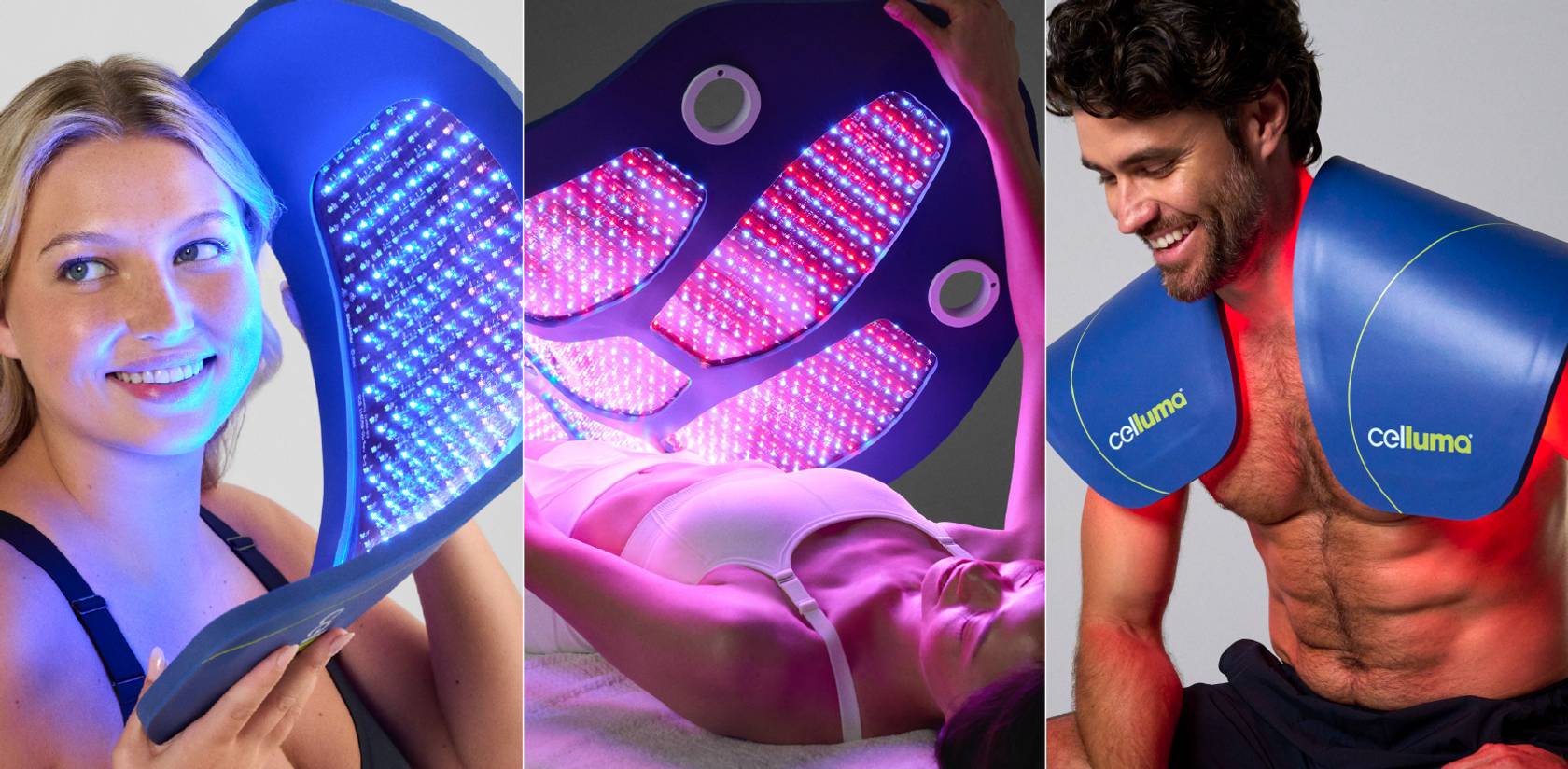
Rather than relying on a single wavelength, advanced systems use combinations of blue, red, and near-infrared light to deliver a more complete and effective treatment. This multi-layered approach allows light therapy to support clearer skin, improve visible signs of aging, reduce pain and inflammation, and enhance recovery and circulation.
2. Power Output: Finding the Therapeutic “Sweet Spot”
One of the most misunderstood aspects of light therapy is power. Many brands claim that “more power” equals better results. Science says otherwise. The Biphasic Dose Response (Arndt-Schulz Curve) Light therapy follows a principle known as the biphasic dose response, which means:
- Too little energy → no effect
- Optimal energy → therapeutic benefit
- Too much energy → diminished or potentially harmful effects This concept is widely recognized in photobiomodulation research, including reviews by researchers like Michael R. Hamblin. https://journals.sagepub.com/doi/10.2203/dose-response.11-009.Hamblin
The Ideal Dose Range
Clinical evidence shows that the optimal therapeutic dose (fluence) for light therapy is: 2–10 Joules/cm². This is the “sweet spot” where cells respond positively, stimulating energy production, circulation, and repair processes. How a Light Therapy Dose Actually Works Light therapy dose (energy density) is measured in joules per square centimeter (J/cm²)—the total amount of light energy delivered to a specific area of tissue over time. In real-world use, most devices report output as irradiance (mW/cm²)—the amount of power reaching the skin. Dose is determined by irradiance (mW/cm²), time (seconds) and distance to the skin (which directly impacts irradiance). One simple rule to follow: Dose (J/cm²) = Irradiance × Time ÷ 1000 This is why irradiance alone can be misleading, without factoring in time, it doesn’t reflect the actual dose delivered to the body. Why Irradiance Alone Isn’t Enough Irradiance tells you how strong the light is, but not how much energy your body actually receives. High irradiance with short exposure may underdeliver dose. Low irradiance may never reach a therapeutic threshold. Distance from the skin can significantly reduce actual irradiance at the tissue. Without time and proximity, irradiance alone doesn’t reflect true performance.
Why More Power Isn’t Better
Because of the biphasic dose response overpowered devices can exceed effective ranges and underpowered devices may never reach them. “More power” claims often ignore how dose actually works. The goal isn’t maximum power, it’s precise, controlled energy delivery over time, within the therapeutic range.
3. Distance to the Skin: Why Proximity Changes Everything
Even with the right wavelengths and power, distance can make or break effectiveness.
The Inverse Square Law
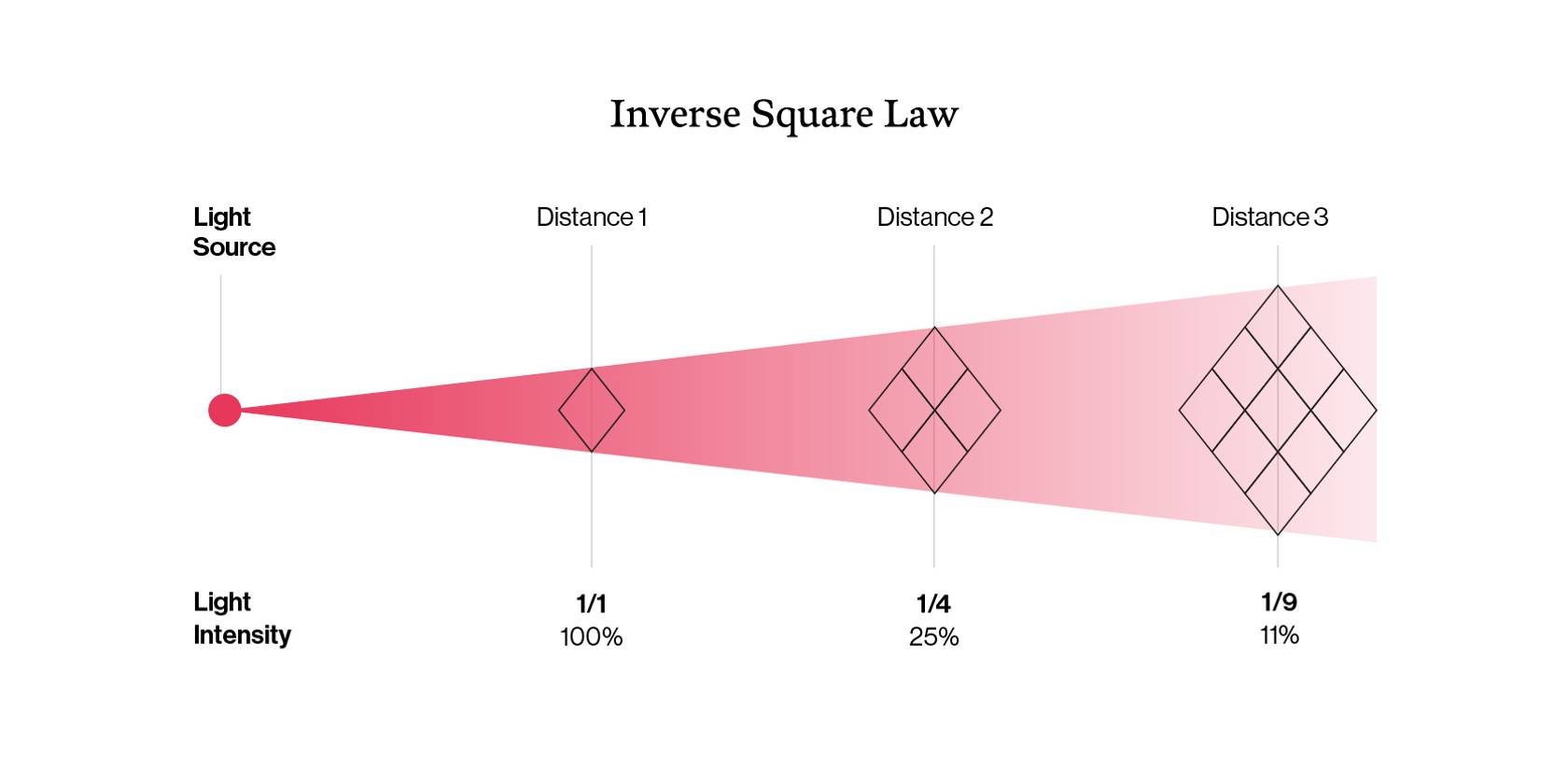
Light energy follows the inverse square law, meaning: As distance from the light source increases, intensity drops rapidly. Even small gaps can significantly reduce the dose delivered to the body.
Why the Human Body Makes This Challenging
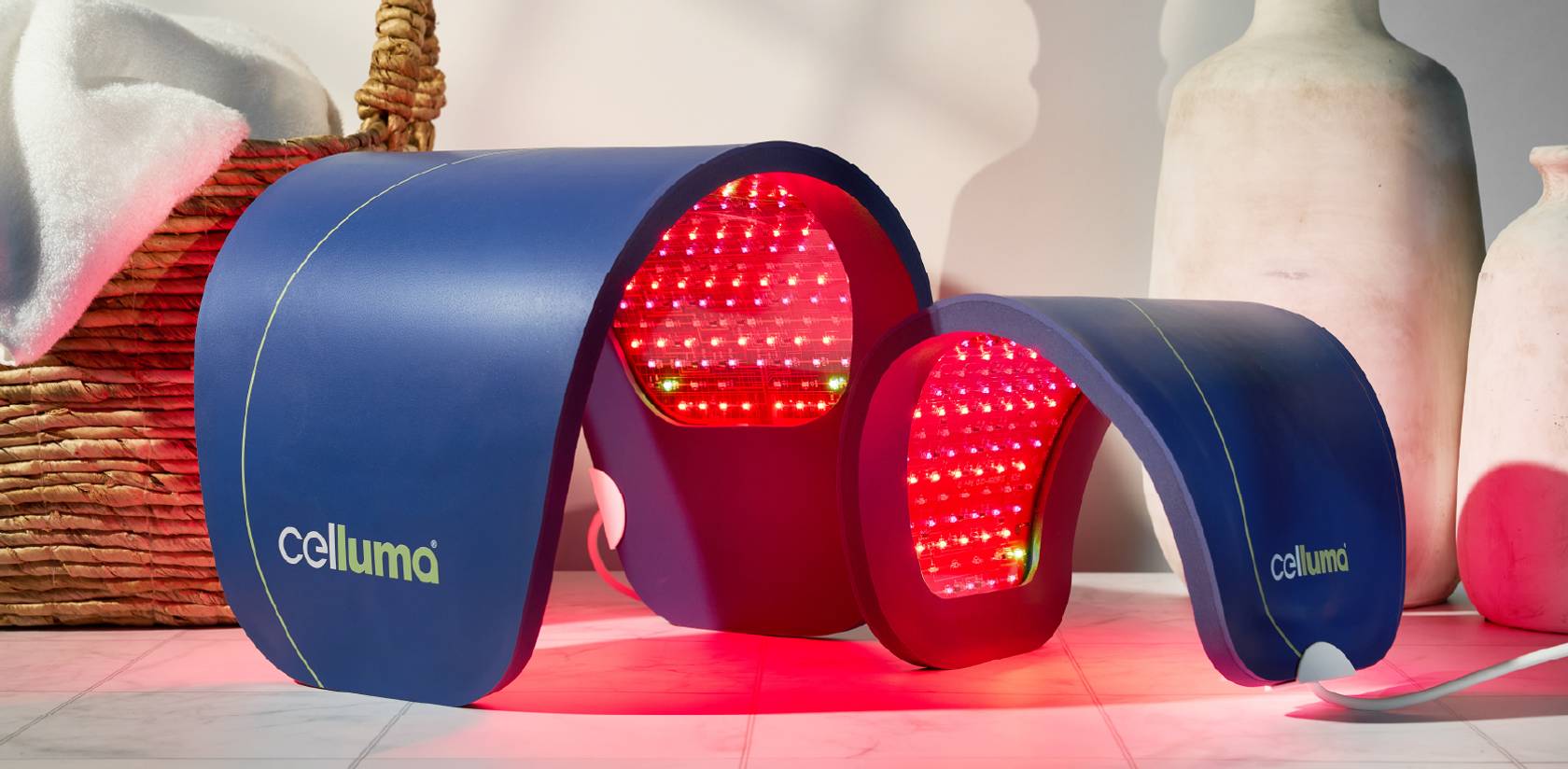
The body is not flat. Curves, contours, and angles create uneven distances when using rigid or flat panels. This leads to overexposure in some areas and underexposure in others. It can also lead to inconsistent results across the treatment area.
Why Uniform Coverage Matters
For light therapy to be effective, the body needs consistent proximity, uniform energy distribution, and full surface coverage. Close, even contact ensures the intended dose is delivered across the entire treatment area, not just parts of it.
4. Treatment Time: You Can’t Rush Cellular Response
Once wavelength, power, and distance are optimized, time becomes the final critical factor.
The Role of Duration in Light Therapy
Cells need sufficient exposure time to absorb and respond to light energy. Clinical protocols consistently show 20–30 minutes per session is required for optimal results with shorter sessions often failing to deliver a full therapeutic dose.
Why “10-Minute Treatments” Fall Short
Some devices claim results in 10 minutes but often require multiple sessions per day or fail to deliver adequate energy altogether. There are no shortcuts here.
The 30-Minute Standard
A 30-minute treatment delivers a complete dose within the optimal range, fully “charging” cellular activity and aligning with clinically validated protocols. Longer sessions don’t necessarily improve results. Once cells are stimulated, additional exposure provides diminishing returns. Consistency over time is what drives outcomes.
How These 4 Factors Work Together
Each factor plays a role, but true effectiveness comes from how they work together. Wavelength determines what the light does. Power determines how much energy is delivered. Distance determines how effectively that energy reaches the body. Time determines whether the body can respond.
Miss one, and results can suffer. Dial all four in correctly, and you unlock the full potential of light therapy. Beyond the Basics: Why Technology and Design Matter
Multi-Mode Technology
Different conditions require different light therapy parameters. Advanced systems like Celluma use pre-programmed treatment modes and specific combinations of wavelength, power, pulsing, wave modulation, and timing. This ensures each protocol is optimized for:
- Acne
- Wrinkles
- Pain
- Hair growth
- Body contouring
Coverage: Treat More, Get More
Once the science is dialed in, the next question is simple: How much of your body do you want to treat? Light therapy devices range from:
- Small targeted devices
- Wearable masks
- Single panels
- Multi-panel systems
- Full-body solutions
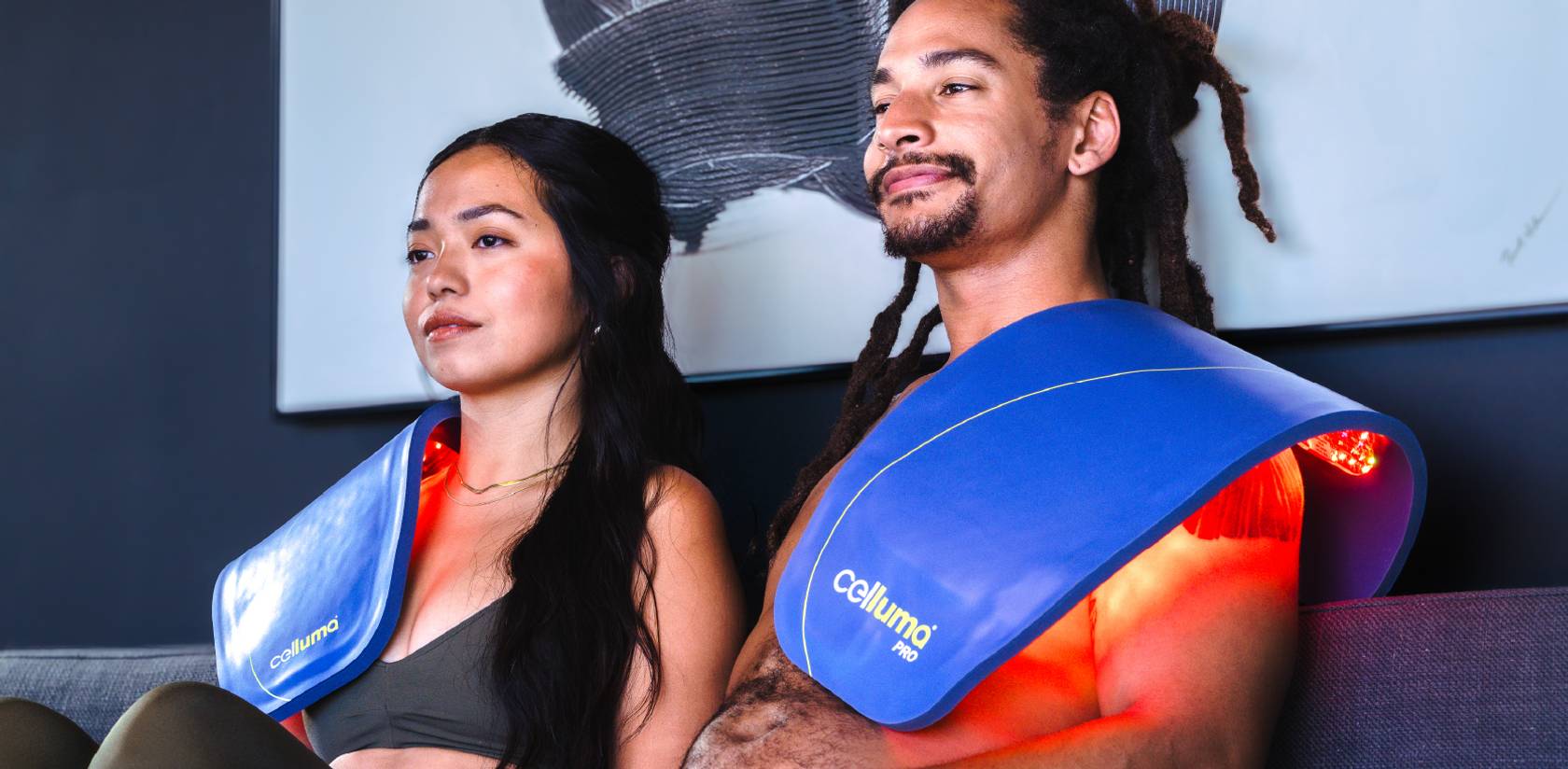
Greater coverage allows you to treat multiple areas at once, reduce total treatment time, and accelerate overall results
The Science Behind Real Results
Effective light therapy isn’t about trends or gimmicks. It’s about delivering the right dose of light energy—consistently, safely, and in alignment with clinical science. The four key factors are:
- Proven Wavelengths – Target specific depths and biological processes
- Power Output – Stay within the therapeutic sweet spot (2–10 J/cm²)
- Distance to Skin – Ensure consistent, close, uniform delivery
- Treatment Time – Allow enough time for cells to respond (20–30 minutes) When these are optimized together, light therapy becomes a powerful tool to support the body’s natural ability to repair, restore, and perform.
Ready to Experience Real Light Therapy?
Whether you're targeting skin health, pain relief, recovery, or total-body wellness, choosing the right technology makes all the difference. Look for solutions that use clinically proven wavelengths that deliver controlled, therapeutic energy. You also want a device that provides consistent, close-to-the-skin coverage and follows validated treatment protocols. Because when it comes to light therapy, results aren’t about more—they’re about getting it right.


